
Doing Nothing Is Risky
TL;DR: Staying in a corporate role that no longer fits feels safe because the paycheck keeps coming. It isn't safe. Every year of inaction tightens the golden handcuffs, deepens the identity trap, and shortens the runway for building something independent. The risk isn't leaving. The risk is waiting so long that leaving feels impossible.
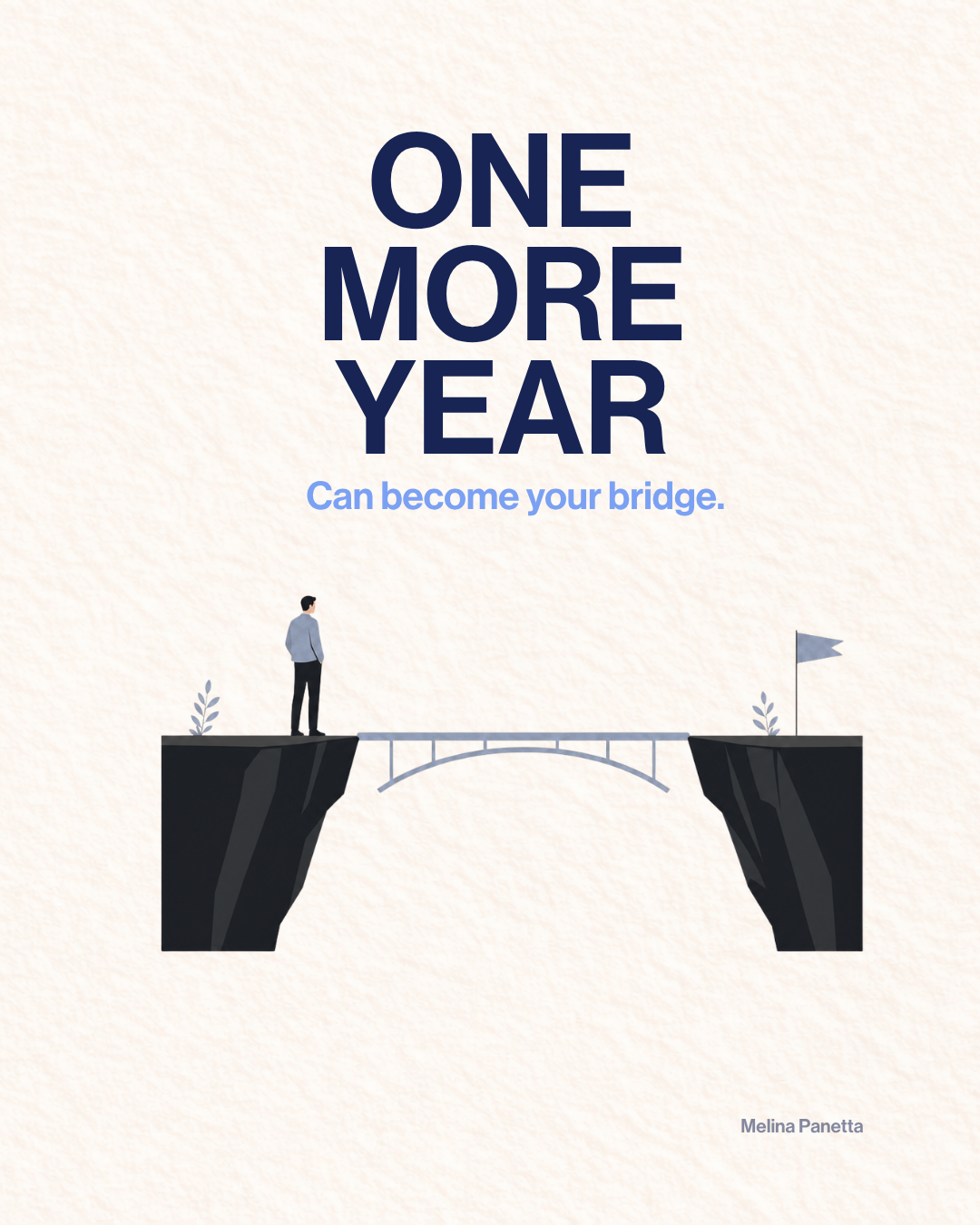
Nobody warns you that staying safe is its own kind of risk.
You've been in corporate long enough to know how it works.
You work hard to hit quota, expecting praise and appreciation for the hard work and the long hours that got you there.
Instead, you barely get a thank you before the bar gets raised once again.
Now you have a bigger quota to hit next year with more pressure and less time. The better you get, the more they need from you, and at some point the reward for doing great work is just more work.
You told yourself you'd address it later.
After this quarter.
After this project.
After the kids finish college.
Does ‘later’ ever really arrive?
The golden handcuffs feel like security, but we both know they're not.
Your tenure isn't protecting you.
How many times have you seen a reorg happen across your career?
Think about what follows.
A new org chart gets drawn up overnight.
Roles get consolidated.
Teams get restructured.
The people making those decisions aren’t looking at your 18 years of loyalty. They don’t care about your track record or the relationships you spent a decade building.
Instead, they're looking at a spreadsheet and figuring out if it fits against the new structure or board initiative.
I watched it happen too many times, and it’s sad.
Top performers walking out with a box and a severance because they were too expensive, too honest, or just no longer convenient for whoever had come in above them.
The longer you stay, the more you believe the system will protect you.
The more you believe that, the less you do to protect yourself.
> You stop building relationships outside the company.
> You stop positioning yourself externally.
> You start measuring your security by how indispensable you feel on the inside, which is exactly when you become most exposed.
Do you genuinely believe you're safe because you've been there long enough to be immune to layoffs?
Run The Math
I speak to so many corporate leaders who look at their salary and call it security.
They don't track what it really costs them.
I earned $320K in my last corporate role. On paper, that looked like success.
In reality:
→ 60-hour weeks
→ Emails at 10pm
→ Meetings at 7am
→ Sunday anxiety starting before 9am
→ Skipping the gym because there was nothing left
That doesn't even count the medical appointments I rescheduled or the relationships I couldn't make the time to maintain.
Corporate was already cutting my pay. It just didn't look like it on paper.
The biggest myth about leaving is that you take a pay cut.
The pay cut was already happening.
Every hour past 40.
Every weekend, you "just checked in."
Every idea you didn't have time to pursue.
Think About This
How many Sunday evenings have you felt that weight in your chest as the week starts creeping back in?
How many times have you looked at your calendar and felt a quiet dread before the week had even started?
How many milestones, dinners, and moments did you miss, telling yourself it was temporary?
You're exhausted because you've been pouring everything into a system that was never designed to give it back.
At some point, the question stops being "can I afford to leave?" and becomes "how much longer am I willing to stay?"
Only you can answer that.
But if something in this email hits close to home, I want to know where you're at right now.
Which of these feels most true for you right now?
> I know I want out of corporate, but I don’t know where to start
> I’m scared I waited too long and missed my window
> I want to build something, but I can’t see how to do it while still in my role
> I’m ready to take the next step and want to know what that looks like
Send me a message and let me know.
Melina